
Restaurant theft is rarely a one-time grab by a stranger; it is almost always a slow, repeated pattern by someone inside — most often unrecorded sales, free food given to friends, inflated waste, purchase-kickback deals with suppliers, stock walk-outs, and void/refund manipulation at the POS. The strongest defence is reducing opportunity through measurement: weekly stock counts, logged waste, actual-vs-theoretical variance, and surprise audits. Most owners find that fixing the systems reduces theft more than any confrontation ever does.
Restaurants are uniquely exposed: hundreds of small anonymous transactions daily, perishable stock that 'spoils', cash and mobile-money payments, high staff turnover, and owners who are not always present. In markets with cash-heavy cultures — and increasingly mobile-money-heavy ones across Africa — the same vulnerabilities apply. Industry research consistently places inventory shrinkage in restaurants at several percent of sales, and for a business running on 5–10% net margins, a 3% shrink is half the profit.
The important mindset shift: treat shrinkage as a systems problem, not a people problem. You cannot hire perfectly trustworthy people forever; you can build systems where theft becomes difficult, visible, and quickly noticed.
The oldest pattern: a guest pays cash (or a personal mobile-money transfer), the order never enters the till, the money goes into a pocket. The tell-tale sign is unusual consistency — a register that rings up exactly the same average per shift while others fluctuate, or a till that never sells certain high-demand items that customers are clearly ordering.
Defence: reconcile POS records against kitchen ticket counts or food-prep quantities. If the kitchen prepared 60 plates of jollof but the till shows 48 jollof sales, you have a number to act on — and it comes from a system, not an accusation.
Staff food is a legitimate cost when controlled. The abuse is giving meals to friends, family, and regulars without recording them. Defence: a written staff-meal policy with a daily log, and recipe-based variance tracking. If stock disappears faster than sales explain, and waste logs show nothing, the gap has a name.
Legitimate spoilage is logged as waste; theft logs itself as waste too. A cook who takes home premium meat reports it as 'bad stock'. Defence: photograph or witness waste before disposal, log it by item and shift, and compare waste patterns against actual-vs-theoretical variance. One shift consistently producing 40% of the waste is a signal no spreadsheet can hide from you if you are actually looking at the numbers.
The storekeeper and the supplier agree the supplier invoices full price but delivers short, and splits the difference. This is remarkably common in markets where cash purchases dominate and owner oversight is stretched. Defence: receive deliveries with a scale and a second person, match invoices to your own recorded prices (RestoIQ stores your negotiated price per supplier, so an invoice that drifts upward is flagged automatically), and rotate receiving duties.
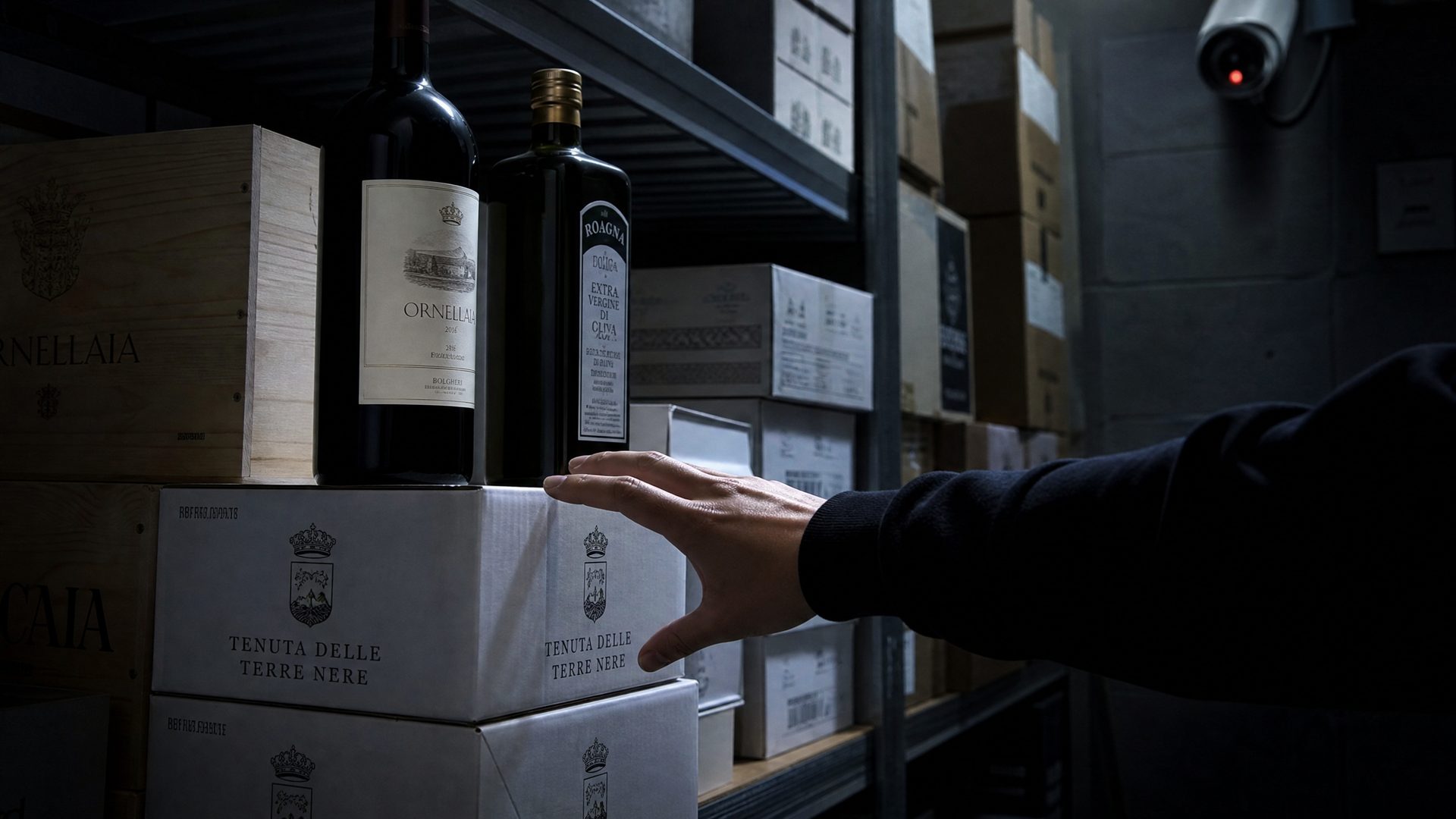
Boxes of oil, cases of drinks, and premium alcohol leaving through the back door — often in bags, at closing, in small amounts that never trigger alarm individually. Defence: controlled store access (one key, sign-in log), CCTV on the store, and the most powerful tool of all: weekly stock counts. Stolen stock shows up as unexplained variance between what recipes say should have been used and what actually left the shelf.
A server rings a sale, takes the cash, then voids or refunds the order after the guest leaves. Defence: manager approval required for voids, daily void/refund reports, and receipts that print before the void. Your POS may already support this — the problem is that owners rarely read the report.
This is exactly what RestoIQ automates — counts feed variance, purchases feed price drift alerts, and waste feeds the dashboard. Owners who run this system usually discover that shrinkage halves within two or three months, not because they fired anyone, but because the opportunity disappeared.
Inventory shrinkage typically runs 2–5% of sales in restaurants. For a business doing $30,000/month with 8% net margin, a 3% shrink can erase nearly half the profit.
Unrecorded sales — taking cash or mobile-money payments without entering the order in the till — is the classic pattern, along with inflated waste and supplier short-deliveries with kickbacks.
Weekly stock counts compared against recipe-based theoretical usage. If actual usage exceeds theoretical by more than 2–5%, the unexplained variance points directly at which items and shifts to investigate.