
Most restaurants waste 4–10% of everything they buy — spoilage, over-prep, trim, and plate returns — and almost all of it is invisible because nobody logs it. A 30-day plan works: week one audit the bins to see what you throw away, weeks two to four log every waste event by item and reason, then act on the top three causes. Restaurants that complete this plan typically cut waste by 40–60%, worth hundreds of dollars monthly even at small scale.
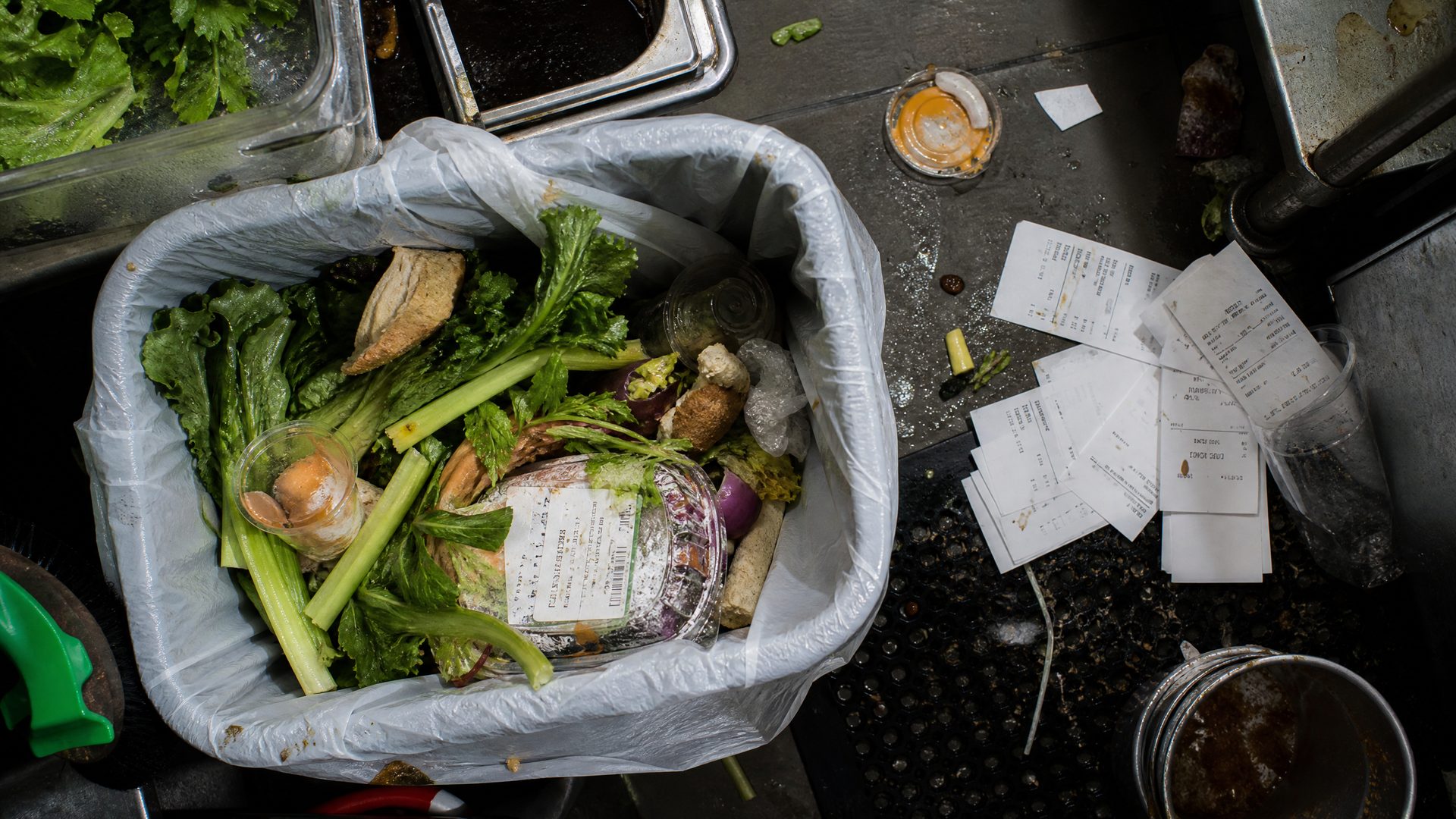
Waste is the only cost in a restaurant that produces no paper trail. The supplier invoice gets paid, the stock disappears, and the spoiled lettuce lands in the bin while everyone is busy serving. Without a log, waste exists only as a vague feeling that 'we buy too much'. With a log, it becomes a ranked list you can attack.
The scale is rarely small: a restaurant purchasing $12,000/month of food and wasting 6% is throwing away $720 monthly — $8,640 a year — before theft or supplier issues enter the picture.
For one week, do not change anything. Simply collect and weigh — or estimate — everything that goes in the bin each day, grouped into four causes: spoilage (rotted before use), over-prep (prepped and unused), trim (peelings, cuts), and returns (sent back by guests). At the end of the week you will have a ranked list. Spoilage usually tops it, and spoilage has a different fix than over-prep.
Introduce a one-line log at the bin: item, amount, cause, date. Thirty seconds per event. The discipline matters more than precision — by day fourteen the kitchen knows waste is being watched, and behaviour changes by itself. Counters become careful with portions; prep cooks batch smaller; whoever keeps buying six crates of tomatoes for a three-day weekend gets caught.
Set a monthly waste target (e.g., below 3% of purchases), keep the log permanent, and review it weekly the same way you review sales. Then the habit survives staff changes — because the system carries the knowledge, not any single person.
This entire loop — waste log, pars, purchasing — is what RestoIQ digitizes: waste entries from a phone, automatically rolled into your food cost and variance numbers, with low-stock alerts preventing the panic-buying that creates spoilage in the first place.
A Dar es Salaam grill doing $15,000/month logged waste for the first time and found 7.2% — dominated by fish spoilage from twice-weekly over-ordering. Thirty days later: 3.4%, through smaller orders and a prepped-quantity rule. The saving: roughly $570/month, found in the bin nobody was watching.
Most restaurants waste 4–10% of food purchases through spoilage, over-preparation, trim, and customer returns — a 6% waste rate on $12,000/month of purchasing is $720 every month.
Start a waste log: item, amount, cause, date. Within two weeks the top three causes appear, and each has a direct fix — ordering, prepping, or repurposing.
Yes — measurably. Once waste is visibly logged, prep cooks batch smaller, counters portion carefully, and over-ordering gets noticed. The log itself is the intervention.