
Starting a restaurant in 2026 costs far more than most owners expect, and the difference between success and failure usually comes down to three numbers: your food cost percentage, your break-even revenue, and your stock control discipline. This guide shows the real math — setup costs by region, the monthly numbers you must track from day one, and the inventory habits that keep new restaurants alive.
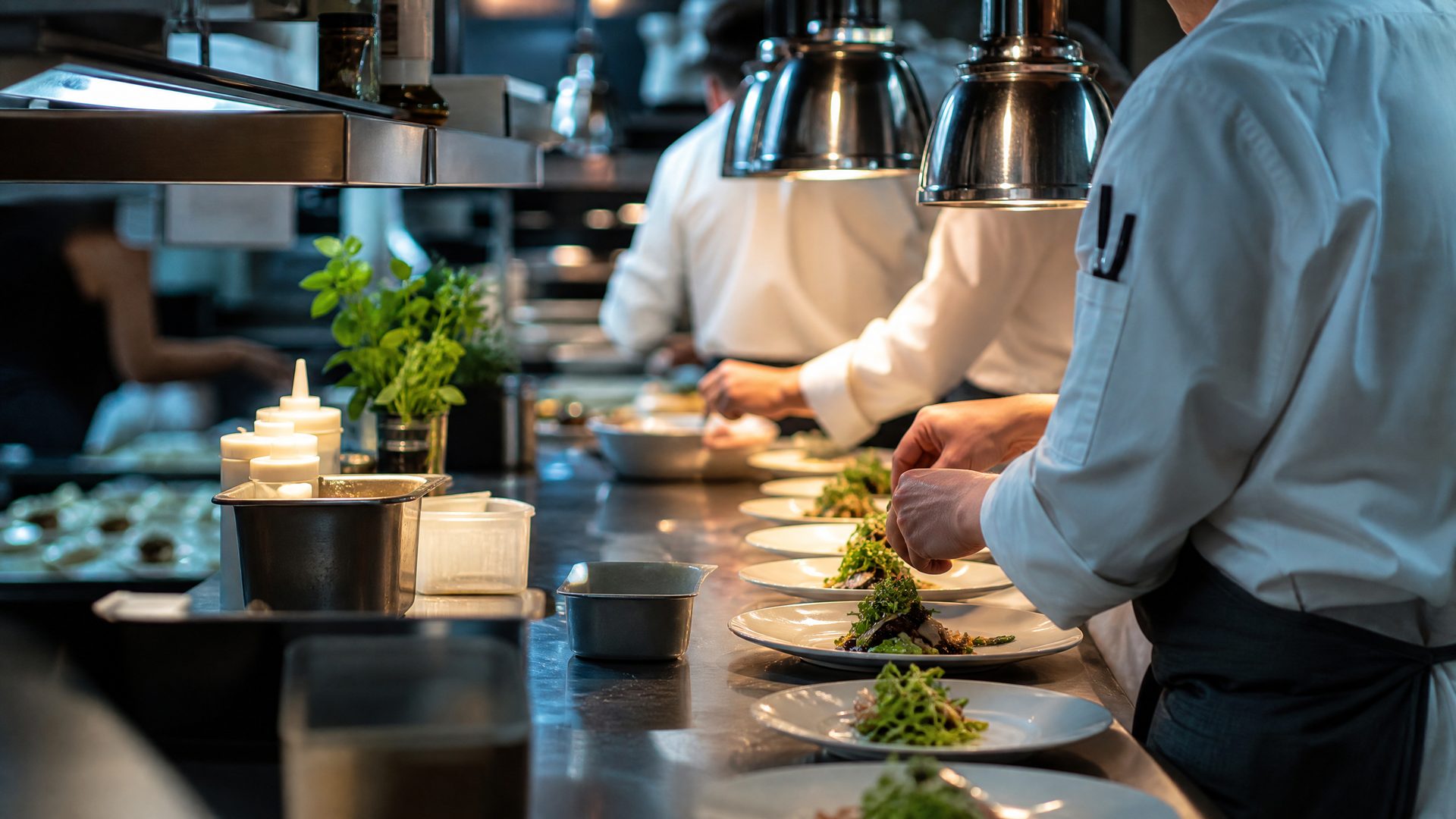
Most guides quote a single figure. Reality depends heavily on where you open. A modest 40-seat restaurant in Nairobi or Addis Ababa can launch for $15,000–$35,000 — equipment imported second-hand, basic fit-out, and a lease that asks for six months upfront. In Dubai or Riyadh, the same concept typically costs $80,000–$250,000 once licensing, municipal approvals, and fit-out standards are included. In Lagos or Accra, generator and water backup alone can add 15–25% to startup cost, and most new owners under-budget for it.
What almost no one budgets for is working capital: the money to cover the first three to six months while regulars build. A common failure pattern is a beautiful restaurant with three months of rent left in the bank and no cash buffer for food purchases — which means buying small, buying daily, and paying top price to walk-in suppliers.
1. Food cost percentage. Target 28–32% of sales for a full-service restaurant. Above 35%, you are working for your suppliers. A café or bar can run 25–30% because drinks and simple dishes carry better margins.
2. Break-even revenue. Add your fixed monthly costs (rent, salaries, utilities, loan payments) and divide by your gross margin. Example: a restaurant with $9,000/month fixed costs and a 65% gross margin needs $13,850/month in sales just to break even — about $462/day. Most owners never calculate this number and are shocked when six busy-looking months still end in a loss.
3. Inventory turns. How many days of stock you carry. Fresh markets like Lagos and Dar es Salaam mean you can buy small and often — that is an advantage, not a weakness. Dry goods (oil, rice, spices) bought in bulk with a trusted supplier are where the real savings hide.
Across our research in East Africa, West Africa, and the Gulf, the same four killers repeat: supplier price creep (the rice supplier quietly raises prices 5% every invoice and no one checks), portion drift (the second cook serves 25% more meat per plate than the first), waste with no log (spoilage is thrown away and never counted, so nobody knows it exists), and theft that looks like waste (missing stock blamed on 'bad vegetables'). Each one is invisible in the day-to-day and devastating over twelve months — a restaurant doing $30,000/month that leaks just 4% through these channels loses $14,400 a year.
The fix is not more suspicion; it is measurement. Weekly stock counts, a simple waste log, and recipe-costed menu prices turn invisible leaks into visible numbers you can act on.
The last point matters more than it sounds. Spreadsheet habit formed in month one becomes permanent; systems introduced in month eight meet resistance. Start with the system.
RestoIQ was designed for the independent restaurant at exactly this stage — small enough that enterprise systems like WISK or MarketMan are priced out of reach, growing enough that spreadsheets are starting to fail. Recipe costing, purchase orders, waste logs, and low-stock alerts in one system, priced for Africa and the Middle East rather than Manhattan. The free 14-day trial lets you open with your numbers under control instead of learning them the expensive way.
In East Africa a modest 40-seat restaurant typically launches for $15,000–$35,000; in the Gulf for $80,000–$250,000 including licensing and fit-out. The most under-budgeted item is working capital for the first 3–6 months.
Full-service restaurants should target 28–32% of sales. Above 35% you are likely working for your suppliers. Cafés and bars can run tighter at 25–30% thanks to higher-margin drinks.
Weekly stock counts and a simple waste log. These two free habits catch supplier price creep, portion drift, and theft before they become existential problems.