
American independent restaurants compete against chains that benefit from centralized purchasing, engineered recipes, and corporate systems — while paying full price for labour, rent, and ingredients. The independent's answer is not to out-spend but to out-measure: food cost at 28-32%, prime cost (food + labour) under 60%, weekly variance tracking that catches theft and waste in days, and supplier invoice audits that catch the creeping prices chains' buying departments would never accept. The systems that chains take for granted — recipe costing, pars, variance — are now available to every independent at a fraction of chain-software prices.
Chains win on three structural points: purchasing power (ingredients bought at 15-30% below independent prices on many SKUs), recipe engineering (every dish costed to the gram, portioned by system), and data (every unit's numbers visible to corporate weekly). The independent cannot match purchasing power alone — but recipe engineering and data are fully available to any operator willing to adopt them. The restaurants that close the gap run the same disciplines: costed recipes, measured portions, weekly counts, and variance reporting.
| Metric | Healthy | Investigate above |
|---|---|---|
| Food cost (full-service) | 28–32% | 35% |
| Labour cost | 28–32% | 35% |
| Prime cost (food + labour) | 55–60% | 65% |
| Rent | 5–8% | 10% |
| Net margin (healthy) | 5–10% | — |
Prime cost is the number that matters most in the US: food plus labour should stay under 60% of sales, and when it creeps past 65% the restaurant is working for its suppliers and staff. Most failing independents do not track prime cost at all — they track bank balance, which is a monthly report on a weekly problem.
Four leak channels dominate American independent losses: supplier creep — broadline distributors (Sysco, US Foods, local equivalents) raise prices quietly across thousands of SKUs, and chains audit invoices while independents do not; portion drift — without engineered recipes and measured portions, the second cook's plate costs 20% more than the first's; unmeasured waste — typically 3-6% of purchases; and theft disguised as variance — inventory shrinkage averaging several percent of sales, detectable only through actual-vs-theoretical comparison.
Each leak is closed by the same four systems: costed recipes, weekly counts, waste logs, and invoice-to-recorded-price audits. This is precisely the chain playbook, available at independent scale.
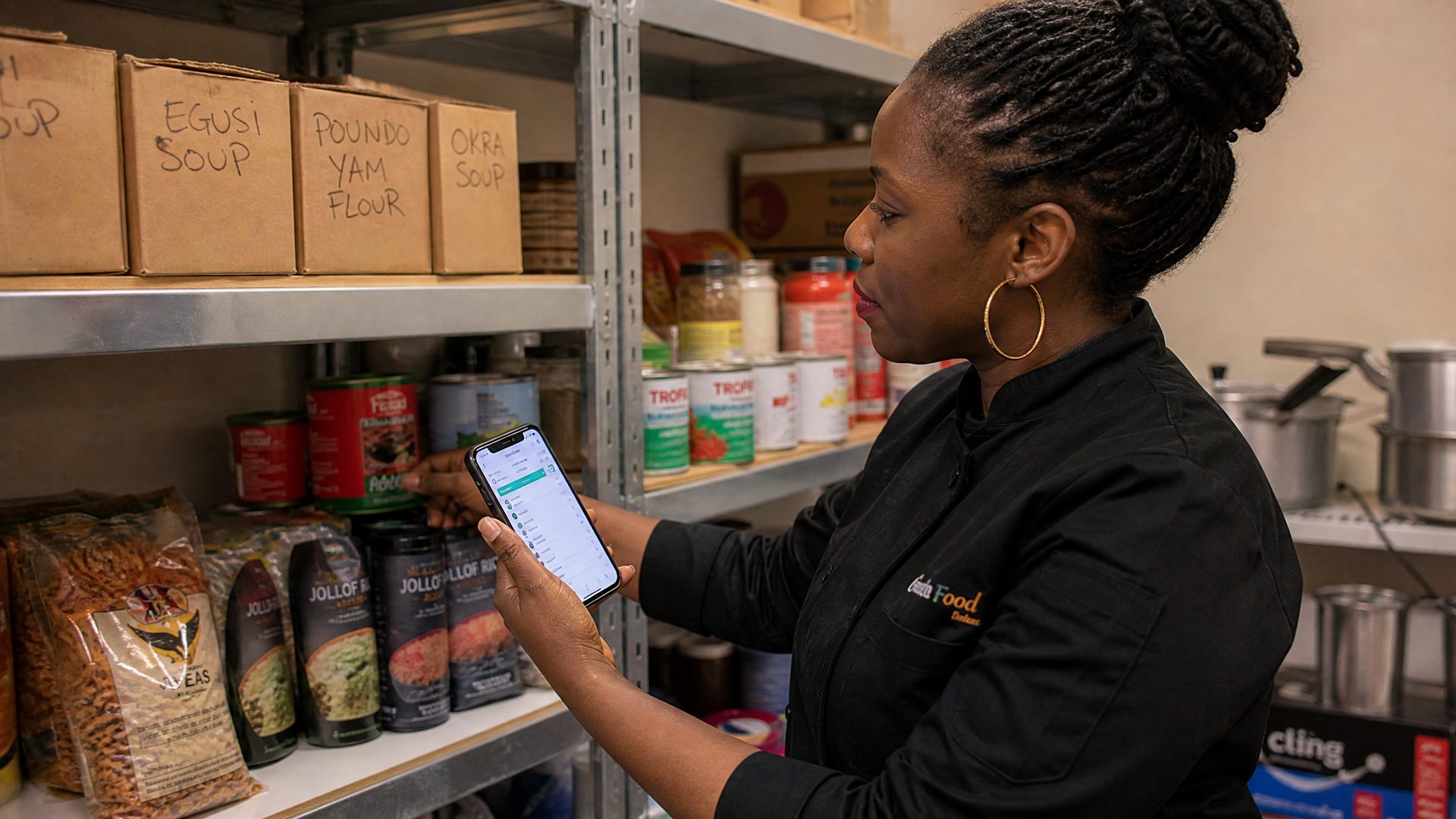
RestoIQ brings this stack to independents at a price designed for single and small multi-unit operators rather than enterprise chains: recipe costing, counts from a phone, variance, supplier price tracking, and weekly food cost on one dashboard — with USD-native reporting and multi-location support for growing operators.
A US independent doing $80,000/month at 34% food cost spends $27,200 monthly on food. At 30%: $24,000. Recovered: $3,200/month — $38,400 a year — plus labour discipline on prime cost. For a business earning $5,000/month net, that recovery is not an optimization; it is the difference between surviving and closing.
Prime cost = food cost + labour cost. Healthy independents run 55–60% of sales; above 65% the business is typically working for its suppliers and staff. Track it weekly, not monthly.
Across thousands of SKUs, invoice by invoice, without announcement. Chains audit invoices; most independents do not. Recording your expected price per SKU and auditing each invoice against it catches creep within one delivery cycle.
Recipe costing to the gram, measured portions, weekly inventory counts, variance tracking (actual vs theoretical), and corporate-level data visibility. All of these are now available to independents at non-enterprise prices.