
Dar es Salaam restaurants run on a supply chain that is strong on fresh fish, rice, and produce but expensive on imported inputs, with inventory challenges unique to the coast: seafood spoils in hours, humidity accelerates dry-goods degradation, and tourist-season demand swings make pars unreliable for half the year. Healthy cost control means weekly stock counts in TZS, seafood ordered by forecast rather than habit, per-supplier price logs that catch creeping invoices, and menu flexibility between local and imported ingredients. A Dar restaurant doing TZS 30M/month that cuts food cost from 37% to 31% recovers roughly <strong>TZS 1.8M every month</strong>.</p>
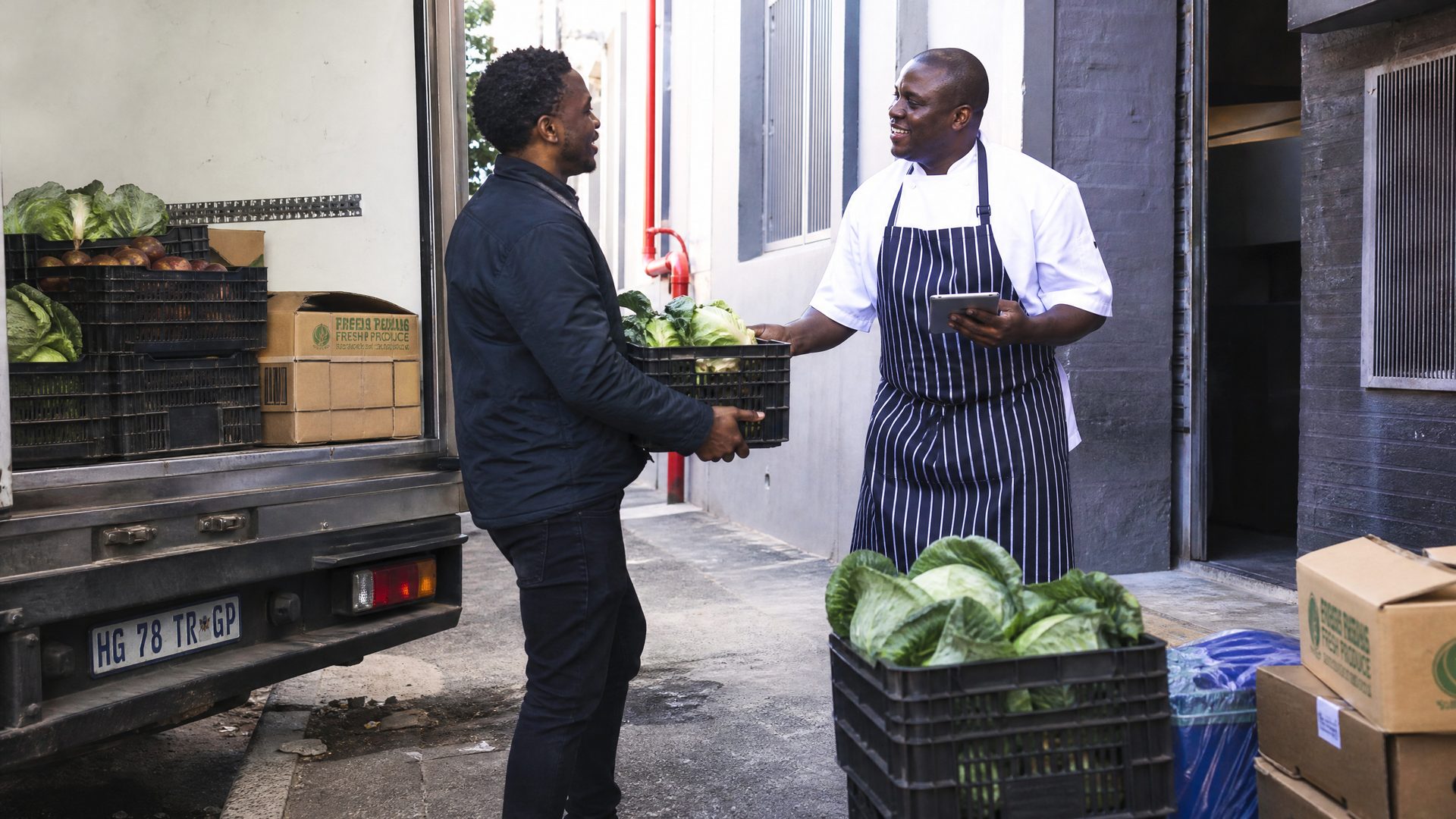
Dar es Salaam sits at the centre of Tanzania's food trade: Kariakoo Market feeds the city daily, fish lands from the Indian Ocean and Lake Victoria arrive at dawn, and imported goods (cooking oil, wheat, rice in some seasons, canned goods) move through the port with prices that track both the shilling and global markets.
The freshness advantage is real — a restaurant can buy produce and fish the same morning they serve it — but freshness without measurement is just expensive freshness. The restaurants that win are the ones that combine same-day buying with recorded prices and counted stock.
For a Dar restaurant, fish and seafood are often the menu's profit engine and its biggest risk simultaneously. Prawns, samaki, and octopus move fast in the heat; a day of over-ordering is total loss. The professional approach is forecast-based seafood ordering: yesterday's seafood sales, today's bookings and tourist flows, and a same-day morning market visit with a fixed budget — not a fixed quantity list. Recorded daily, this produces a seafood usage curve that makes over-ordering visible within a week.
| Item | Typical purchase cost | Notes |
|---|---|---|
| Fresh fish (per kg) | TZS 8,000–16,000 | Species and source dependent; dagaa far cheaper |
| Chicken (per kg) | TZS 9,000–13,000 | Local vs broiler price gap matters |
| Cooking oil (5L) | TZS 24,000–32,000 | Import parity; the classic creep item |
| Rice (25kg) | TZS 75,000–95,000 | Seasonal swings; Kyela vs imported |
| Tomatoes (crate) | TZS 40,000–110,000 | Extreme seasonal range — menu flexibility essential |
The tomato range — nearly 3× between cheap and expensive seasons — is the argument for flexible menu engineering in Tanzania: dishes that can flex between fresh tomatoes, tomato paste, and alternative bases keep margins stable year-round.
Dar's demand swings between local seasons and tourist flows (Zanzibar connections, conference seasons, December). Static pars fail here: a par set in low season causes stockouts in high season, and a par set in high season creates spoilage in low season. The answer is seasonal par reviews — a monthly look at whether pars match the last 30 days of actual usage — which costs minutes in a system like RestoIQ and transforms availability across the year.
Tanzania's restaurant scene is professionalizing fast — Dar's food culture, the tourism push, and a generation of owners who grew up with mobile money now expect their business tools to match. The practical barrier has always been price and fit: international inventory software prices for New York and does not handle TZS-native, offline-capable, informal-supplier reality. RestoIQ was designed for exactly this — local currency, phone-first, offline counting, and supplier price tracking for markets where most buying has no invoice. The free trial shows a Dar owner their real food cost in the first week.
Dar restaurant, TZS 30M/month sales, food cost drifting 37% → TZS 11.1M food cost. At 31%: TZS 9.3M. Recovered: TZS 1.8M/month — TZS 21.6M a year — from weekly counts, price logs, forecast-based seafood ordering, and monthly re-costing.
Roughly 33–39%, above the healthy 28–32% range, due to imported-input costs, seafood perishability, and unmeasured spoilage in coastal humidity. Getting to 31–33% is realistic with weekly controls.
Forecast-based: yesterday's seafood sales plus today's bookings and tourist flows, with a fixed daily budget and same-day morning market purchase — never fixed quantities bought on habit.
Pars set in low season cause high-season stockouts; pars set in high season create low-season spoilage. Monthly par reviews against the last 30 days of actual usage keep stock aligned with demand swings.