
South African restaurants operate with some of the continent's most sophisticated food culture and competition — and a unique cost stack: load-shedding cold-chain losses, rand volatility on imported inputs, high labour costs, and spoilage concentrated in refrigerated stock. The winning playbook combines scheduled-count discipline (weekly stock counts in ZAR), load-shedding-aware pars (buy smaller and more often when the grid is unreliable), spoilage logging tied to outage schedules, and monthly re-costing of imported-input dishes. A ZAR 1.2M/month restaurant cutting food cost from 35% to 30% recovers <strong>ZAR 60,000 monthly</strong>.</p>
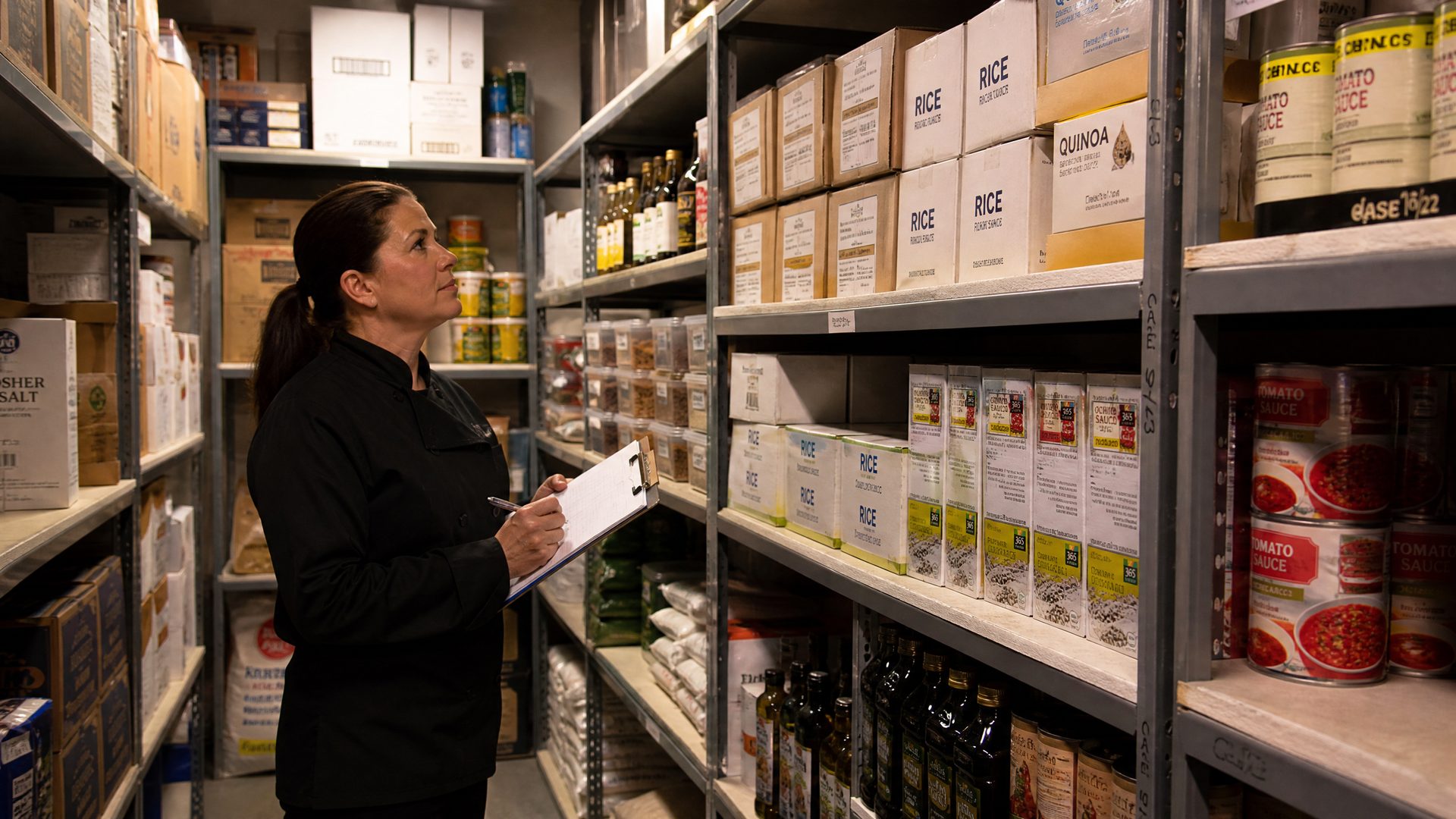
Local advantages are strong: excellent domestic produce, beef, poultry, and wine economics that give restaurants margin tools competitors elsewhere lack. The pressures are specific: rand movement hits imported goods (specialty imports, some packaging, equipment spares), load-shedding episodes damage refrigerated stock unless managed proactively, and the consumer market — especially in Cape Town and Joburg — is price-sensitive and quality-demanding simultaneously.
The spoilage story deserves focus because it is uniquely South African: refrigerated and frozen inventory exposed to unscheduled outages generates loss that most restaurants never quantify. A restaurant with 4–6 outage episodes monthly, each risking a cooler's contents, can lose 1–2% of monthly purchases to outage spoilage alone — invisible unless logged.
| Metric | Typical | Managed target |
|---|---|---|
| Food cost (restaurant) | 32–37% | 28–31% |
| Outage spoilage | 1–2% of purchases | <0.5% |
| Wine cost (restaurants with cellar) | 22–28% | 20–25% |
| Fresh produce spoilage | 3–5% of produce purchases | <2% |
Wine deserves special mention: South African restaurants hold a structural advantage in wine margins — domestic sourcing at favourable cost — and a properly costed wine list (by bottle and by glass pour-cost) is one of the highest-leverage profit tools available in the market.
South African restaurant groups already run serious inventory systems; the independents compete against them. For an independent, the practical answer is the same system the groups use — weekly counts, recipe costing, variance tracking, supplier price logs — at a price that makes sense for a single restaurant. RestoIQ provides exactly that: ZAR-native, phone-first with offline counting, and built for the informal-purchase reality that still dominates even sophisticated markets. The free trial shows a Cape Town or Joburg owner their variance numbers within the first week.
ZAR 1.2M/month sales at 35% food cost: ZAR 420,000 monthly spend. At 30%: ZAR 360,000. Recovered: ZAR 60,000/month — ZAR 720,000 a year — before counting the outage-spoilage reduction, which typically adds another ZAR 8,000–15,000 monthly once logged and managed.
Outage spoilage typically runs 1–2% of monthly purchases — ZAR 12,000–24,000 on ZAR 1.2M/month — plus hidden costs in padding and insurance-style over-ordering. Logging outage spoilage separately quantifies it and justifies backup-power investment.
28–31% for restaurants (versus 32–37% commonly seen without controls). Wine-forward restaurants can run 22–25% wine cost using domestic sourcing advantages.
Smaller, more frequent refrigerated purchases aligned to the outage schedule; freeze-ahead before forecast episodes; full-freezer discipline; and post-outage temperature checks to separate real loss from assumed loss.