
Saudi Arabia's F&B sector is in a historic expansion — restaurant revenue has grown well past 100 billion SAR annually with new demand from tourism, entertainment, and a young population — but the boom brings brutal competition and imported-input costs that squeeze margins from both sides. Healthy Saudi food cost targets are 28-32%, achievable through weekly SAR stock counts, supplier price discipline in a market where formal distributors and traditional wholesalers price differently, pars tuned to each city's delivery reality, and monthly menu re-costing. A Riyadh restaurant doing SAR 450,000/month that moves food cost from 36% to 30% recovers <strong>SAR 27,000 every month</strong>.
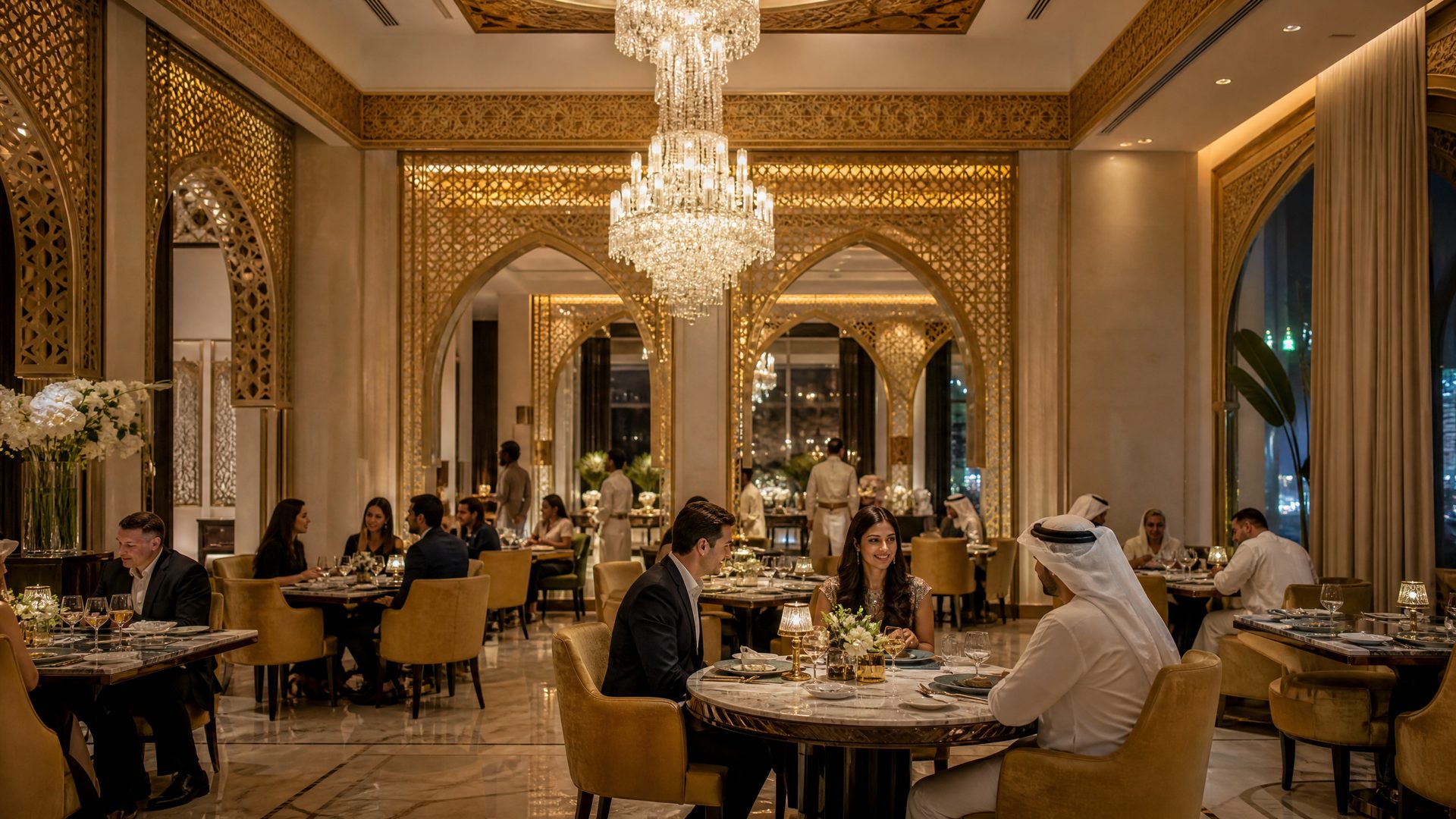
Saudi F&B growth is real and structural: Vision 2030's tourism push, entertainment investment, giga-projects, and a population majority under 35 have transformed restaurant demand in Riyadh, Jeddah, and — increasingly — secondary cities. But every open restaurant knows the other side of the equation: ingredient costs track imports (dollar-pegged SAR means global food prices arrive directly), rent in Riyadh's hot districts is rising fast, and the labour transformation (Saudization of F&B roles) changes both cost and scheduling realities.
In a boom market, revenue masks inefficiency. The restaurants that survive the post-boom consolidation are the ones with numbers — cost per dish, per supplier, per branch — not the ones that merely rode the wave.
Saudi restaurants buy through a layered market: formal importers and distributors (for branded and imported goods), traditional wholesalers (souq-based, often better prices on produce and staples), and increasingly direct relationships for high-volume items. The layers rarely price the same: the same chicken, oil, or rice SKU can differ 10-20% between formal distributor and traditional wholesale, and the difference compounds across a year of purchasing.
The professional response is deliberate sourcing per category — which supplier, which items, at which recorded prices — reviewed quarterly against actual delivery performance. The owner who keeps a SAR price book per supplier is negotiating with evidence; the owner who re-orders from habit is paying whatever the market decided.
The Saudi demand calendar concentrates revenue into Ramadan evenings and Iftar/Suhoor catering, Eid peaks, and event-driven weekends, with summer heat suppressing daytime dining. Menus engineered for Ramadan (family Iftar sets, bulk catering recipes with their own costed recipes) outperform generic menus during the season; and pars that ignore the Ramadan swing either spoil stock in quiet weeks or stock out during Iftar rushes. Monthly par reviews with seasonal forecast adjustment are the professional standard.
| Restaurant doing SAR 450,000/month | Food cost 36% | Food cost 30% |
|---|---|---|
| Monthly food spend | SAR 162,000 | SAR 135,000 |
| Monthly recovered | — | SAR 27,000 |
| Annual recovered | — | SAR 324,000 |
SAR 324,000 a year recovered without a single new customer, price increase, or renovation — from weekly counting, supplier price discipline, and monthly re-costing. In a market where dozens of competitors open every month, cost discipline is the quiet advantage that compounds.
RestoIQ works in SAR, counts from a phone, tracks supplier prices per delivery, and supports multi-location reporting for operators expanding across Saudi cities. The free trial shows a Riyadh, Jeddah, or Dammam owner their real food cost within the first week — the number the boom's winners already know and its casualties never calculate.
28–32% for full-service restaurants. Boom-market revenue often masks 34–40% food costs; the restaurants that survive consolidation are the ones with per-dish and per-supplier numbers.
The same SKU can differ 10–20% between formal importers/distributors and traditional wholesale channels. A SAR price book per supplier per delivery makes the comparison evidence-based rather than habitual.
Engineer Ramadan-specific menus (Iftar sets, catering recipes) with their own costed recipes, and run monthly par reviews with Ramadan-season forecast adjustments to avoid both spoilage in quiet weeks and Iftar stockouts.