
Nigerian restaurants operate inside one of the world's most volatile food-cost environments — food inflation has repeatedly run above 30% annually, the Naira swings against the dollar (moving prices of imported inputs like rice, wheat, and cooking oil within weeks), and fuel costs affect every delivery. In this environment, cost control is not an optimization; it is survival. The operators who thrive share four practices: weekly re-pricing awareness (never monthly), supplier diversification per category, portion discipline on protein-heavy dishes, and cash-purchase recording so informal buying does not become invisible cost.</p>
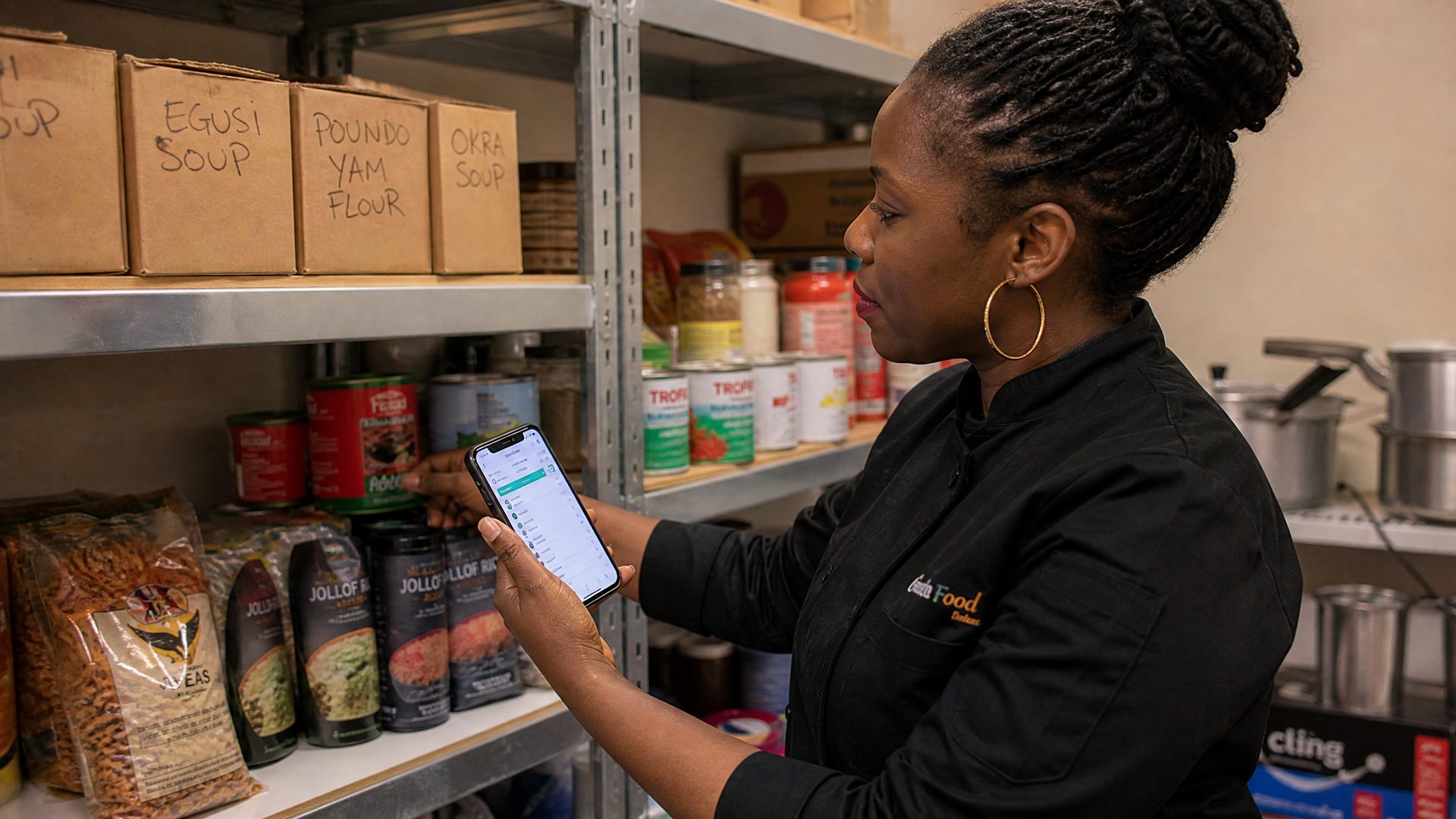
Since 2023, Nigerian food inflation has transformed restaurant arithmetic. Staples like rice, beans, garri, and tomatoes have seen multi-fold price movements within two years; imported inputs (pasta, canned goods, cooking oil feedstock) track the dollar; and diesel for generators — essential for refrigeration in many locations — adds a cost line restaurants elsewhere simply do not have.
The classic failure mode: a restaurant that priced its menu for ₦800/kg rice, then watched rice reach ₦1,400/kg, without re-pricing or re-engineering. The dish still sells; the margin is simply gone. In inflation, monthly re-costing is too slow — prices of major inputs can move meaningfully inside a month.
For many Nigerian operators, diesel for power backup is a real F&B-adjacent cost: refrigeration failure means inventory loss, and unreliable grid power means cooking and cold-chain costs move onto fuel. Tracking fuel consumption per revenue-Naira — fuel cost ÷ sales — gives a number most owners have never computed, and reveals whether the generator is eating 3%, 6%, or 10% of revenue. Where the number is high, the fix is usually solar investment, better cold-room discipline (fewer door openings, fuller loads), or renegotiated diesel supply.
A Lagos restaurant doing ₦9M/month in sales at 38% food cost spends ₦3.42M on food. At 32% — achievable through weekly re-costing, supplier rotation, and waste logging — it spends ₦2.88M. The difference: ₦540,000/month, or ₦6.5M a year, in the hardest input environment on the continent.
RestoIQ works in NGN and was designed for exactly this volatility: weekly food cost visible on a phone, supplier prices tracked per purchase so any creep is caught in days not months, and pars that account for delivery realities in Lagos traffic. The free trial shows a Nigerian owner their real number within the first week — which in this market is worth more than any marketing message.
Nigerian restaurant owners do not need imported best-practices lectures; they need controls that function at Nigerian speed. Weekly beats monthly. Cash logged beats cash forgotten. Two suppliers beat one. Substitution beats absorption. These are not exotic ideas — they are discipline, and discipline is the one input no inflation can take away.
Weekly re-costing of the five biggest inputs (rice, beans, oil, protein, tomatoes), two suppliers per category, menu flexibility between imported and local ingredients, and same-day recording of cash purchases.
Given local volatility, 32–35% is a realistic healthy target (versus 28–32% in stable markets). The goal is catching drift early — a restaurant at 38% that returns to 32% on ₦9M/month recovers ₦540,000 monthly.
Yes — fuel cost ÷ sales is a number most owners never compute. Where refrigeration and cooking depend on diesel, it can consume 3–10% of revenue and is often reducible through cold-room discipline or solar.