
A café's profit is won or lost on four controllable numbers: milk usage (typically 25–40% of COGS and the biggest waste line), pastry and food spoilage (20–30% of fresh food regularly expires), espresso yield and recipe consistency, and beverage pricing against real ingredient cost. Healthy cafés run food cost of 25–30%, waste under 3%, and price drinks so the cost of milk, beans, cup, and lid is under 20% of the ticket. The tools are the same as any restaurant — pars, waste logs, recipe costing — applied to a smaller, faster-moving inventory.
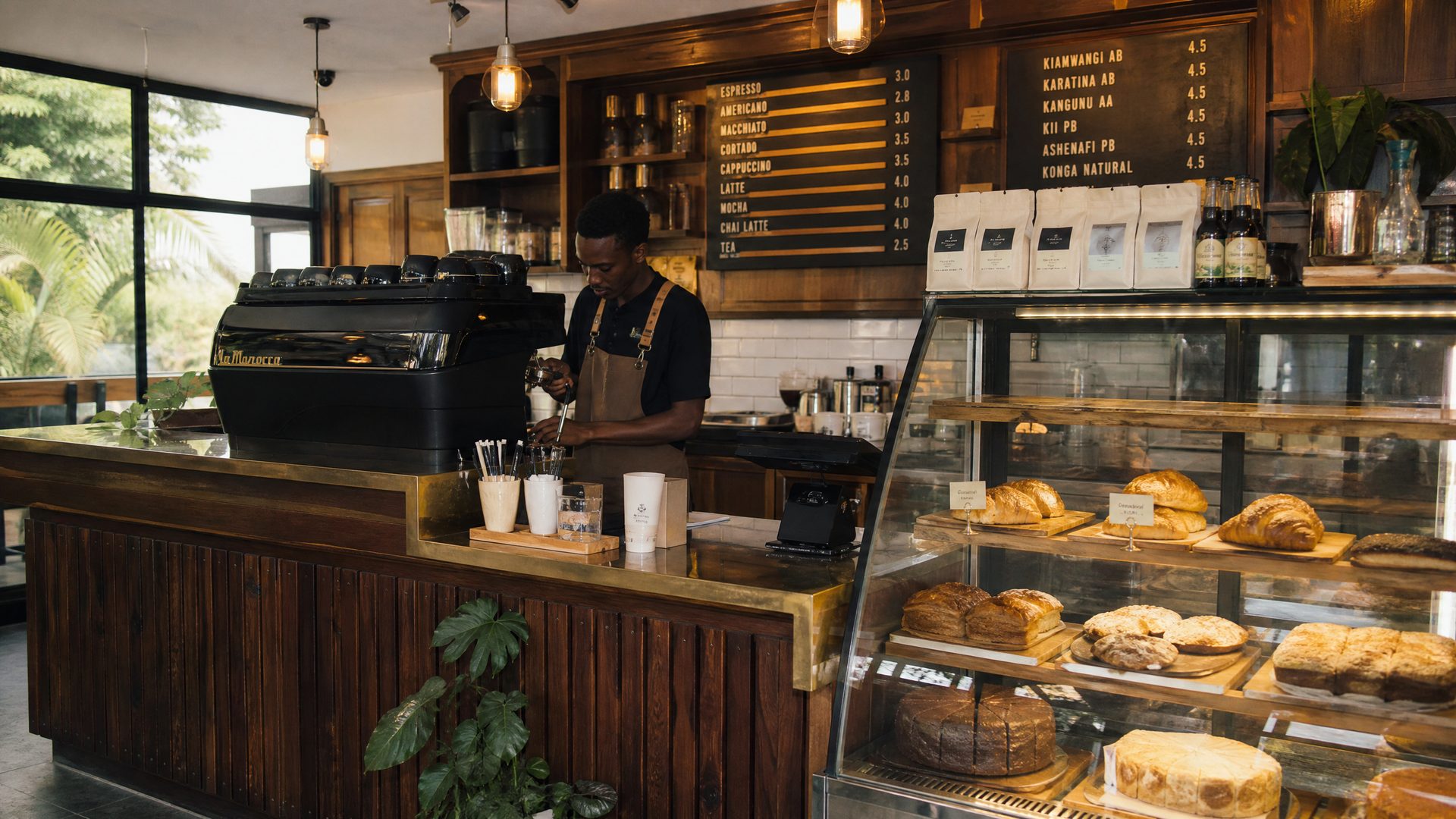
Restaurants leak through protein and portioning; cafés leak through milk and short-shelf-life food. Milk is 25–40% of most cafés' cost of goods, and it spoils in days, steams into the bin when mis-textured, and gets over-poured when baristas are rushed. Pastries, sandwiches, and cakes have a 1–2 day selling window; anything unsold by closing is a total loss unless there is a plan for it.
The good news: café inventory is small enough to control completely. A typical café has 80–150 SKUs versus 400+ for a full restaurant — which means full weekly counts take under an hour and every leak is findable.
Cafés live and die in two daily windows. Stock-outs at 8am are lost sales that never come back; over-prep at 3pm is pure waste. The counter-culture of 'make extra just in case' is the single most expensive sentence in café operations. Pars plus a simple sales-based prepping rule (yesterday's sales + today's bookings) replace the guesswork.
| Metric | Healthy | Investigate above |
|---|---|---|
| Food & beverage cost | 25–30% | 33% |
| Waste (fresh food) | <3% of purchases | 5% |
| Milk litres per 100 beverages | Stable week to week | +10% drift |
| Pastries sold ÷ pastries made | >85% | <75% |
Cafés are a core RestoIQ business type. Weekly counts from the phone, pars for milk and beans, a waste log for the pastry case, and recipe costing for every drink — with the dashboard answering the café owner's real question each morning: how much money did yesterday make, and where did it leak?
A Nairobi café doing $9,500/month discovered through its first waste log that 22% of fresh pastries expired unsold and milk usage ran 18% above the recipe standard. A bake-to-forecast rule and barista retraining on steaming cuts total waste to 3.5% and milk cost by 14% — together about $620/month, in a business where net profit before the fix was $800.
25–30% for food and beverage combined. Drinks carry the margin; food (pastries, sandwiches) carries the waste risk — manage them as two different problems.
Milk, typically 25–40% of cost of goods — wasted through spoilage, over-steaming, and over-pouring. Daily litre tracking against sales is the fastest control.
Bake or order to forecast (yesterday's sales plus bookings), track sell-through weekly, and log unsold product separately from spoiled product — ordering problems and forecasting problems have different fixes.