
Bar inventory is controlled through three disciplines: counting every bottle in tenths twice a week, tracking pour cost (cost of liquor sold ÷ bar sales, healthy at 18–24%), and measuring shrinkage — the gap between what your recipes and pours say should have been used and what actually left the shelf. Bars run tighter margins on liquor than restaurants do on food, so a shrinkage of 10%+ is a red flag, and the usual causes are over-pouring, unrecorded comps, and bottle walk-outs.
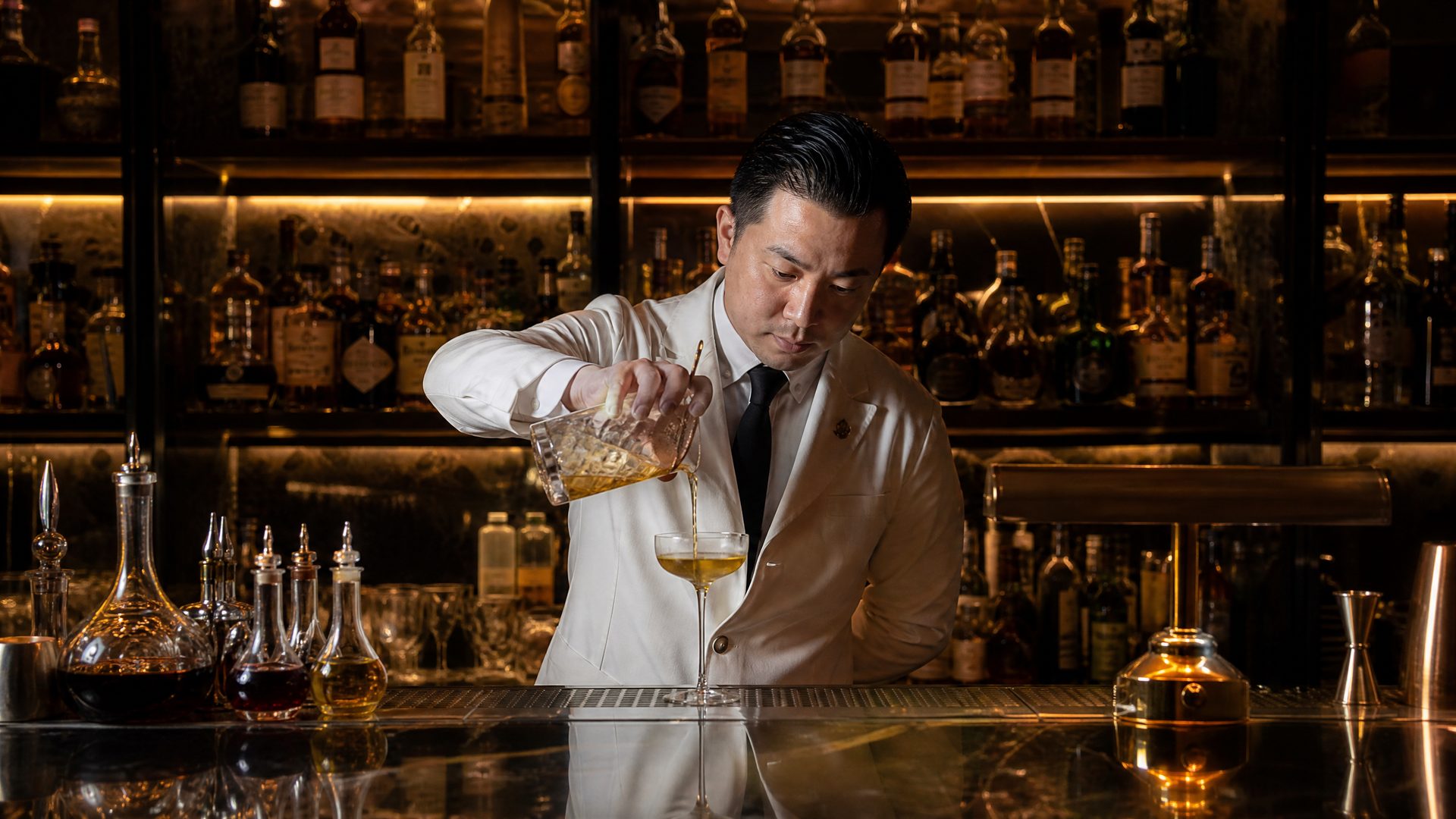
The bar inventory count reads every bottle as a fraction of full: a bottle at eye level is 0.7, a quarter bottle is 0.25, an empty is 0. Count the same order every time, back bar to speed rail to storage, and count twice weekly if volume is high. The precision of tenths is what makes everything else mathematically possible — a variance of half a bottle of premium gin is visible in tenths and invisible in whole bottles.
Pour cost = cost of liquor sold ÷ total bar sales. Healthy ranges: 18–24% for a standard bar, 25–28% for heavy cocktail programs with generous garnish and ice cost, and under 20% is achievable with measured pours and disciplined comps. A bar doing $40,000/month in sales at a 26% pour cost is spending $10,400 on liquor; the same sales at 21% spends $8,400 — $2,000/month of difference driven entirely by pouring discipline and pricing.
1. Over-pouring. Free-pouring a vodka measure at 45ml instead of 30ml inflates pour cost by ~33% on every drink, invisibly. Measured pours, jiggers, or flow-control spouts are the fix — and measured pours pay for themselves within weeks.
2. Unrecorded comps and staff drinks. Every bar has a culture of 'this one's on the house'. Untracked, it is shrinkage wearing a smile. A simple comp log — item, amount, who authorized it — converts it from theft-adjacent mystery into a managed marketing cost.
3. Bottle walk-outs. Premium bottles are small, portable, and worth real money. Controlled storage, sign-in for storage access, and the tenths counts themselves — an unexplained disappearance of 0.8 bottles of a $60 whisky is impossible to hide from a twice-weekly count.
With counted bottles and recorded sales, the bar's equivalent of actual-vs-theoretical becomes precise: every cocktail has a recipe (50ml spirit + mixers), sales tell you how many cocktails were poured, and the expected bottle consumption is simple arithmetic. Compare expected against actual bottle depletion and the bar's variance — the shrinkage number — appears. Industry experience puts acceptable shrinkage at 2–5% of pour cost; above that, investigate the specific bottles, not the whole bar.
This is exactly what RestoIQ brings to bars: recipes for every cocktail, bottle counts in tenths from a phone, pour-cost and variance reports, and low-stock alerts before the busy weekend empties the back bar. Bars are one of RestoIQ's core business types — alongside restaurants, cafés, and hotels.
A cocktail bar in Doha: monthly bar sales $48,000, liquor cost $11,500 → pour cost 23.9%, inside target. But the variance report showed whisky disappearing at 3× the sales-explained rate. The cause: weekend bartenders free-pouring doubles. Measured spouts plus a pour audit brought whisky shrinkage down 70% and pour cost to 20.4% — roughly $1,680/month recovered, from counting bottles properly.
18–24% for a standard bar, 25–28% for heavy cocktail programs. A bar at 26% that moves to 21% on $40,000/month of sales recovers $2,000 every month.
Twice weekly for high-volume bars, weekly at minimum. The count takes 30–45 minutes in tenths, and it is the foundation of every other bar control.
Over-pouring (free-pouring above recipe measures), unrecorded comps and staff drinks, and bottle walk-outs. Measured pours, a comp log, and controlled storage address all three.